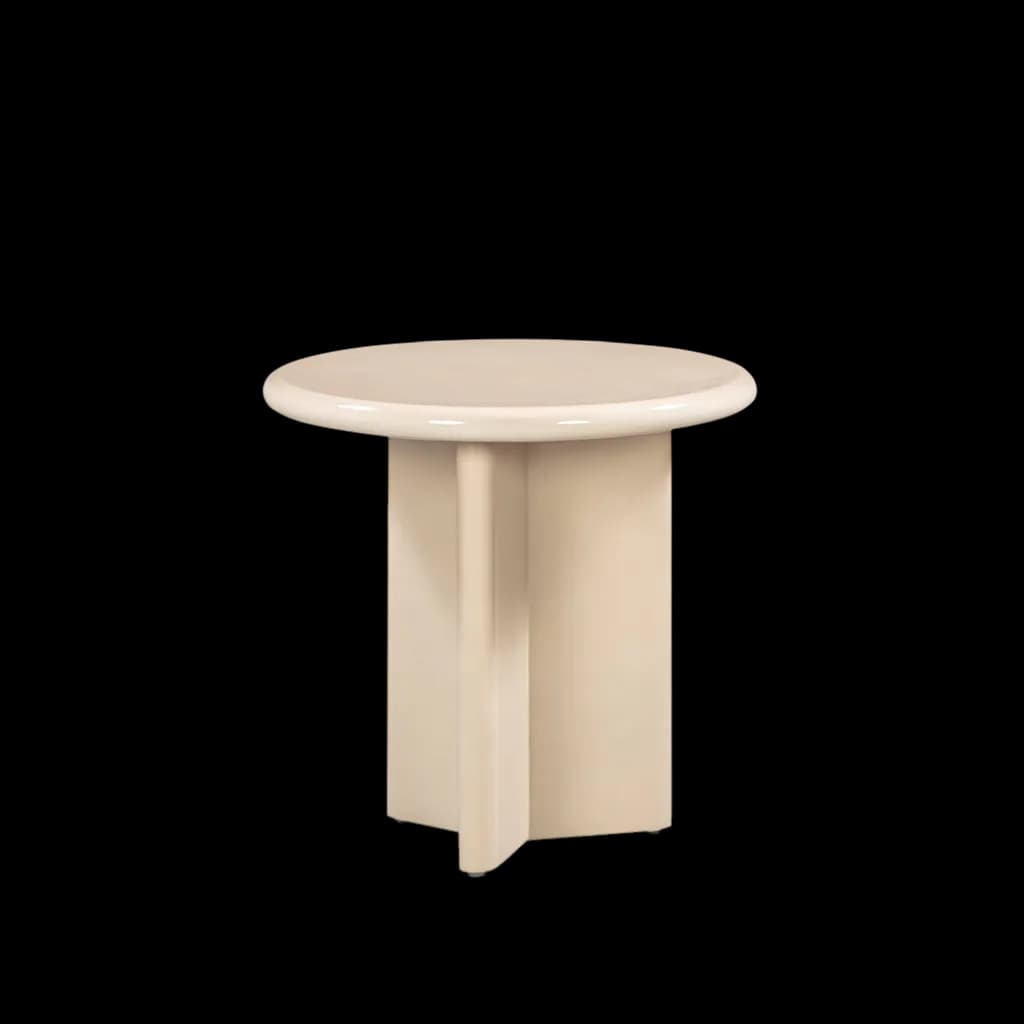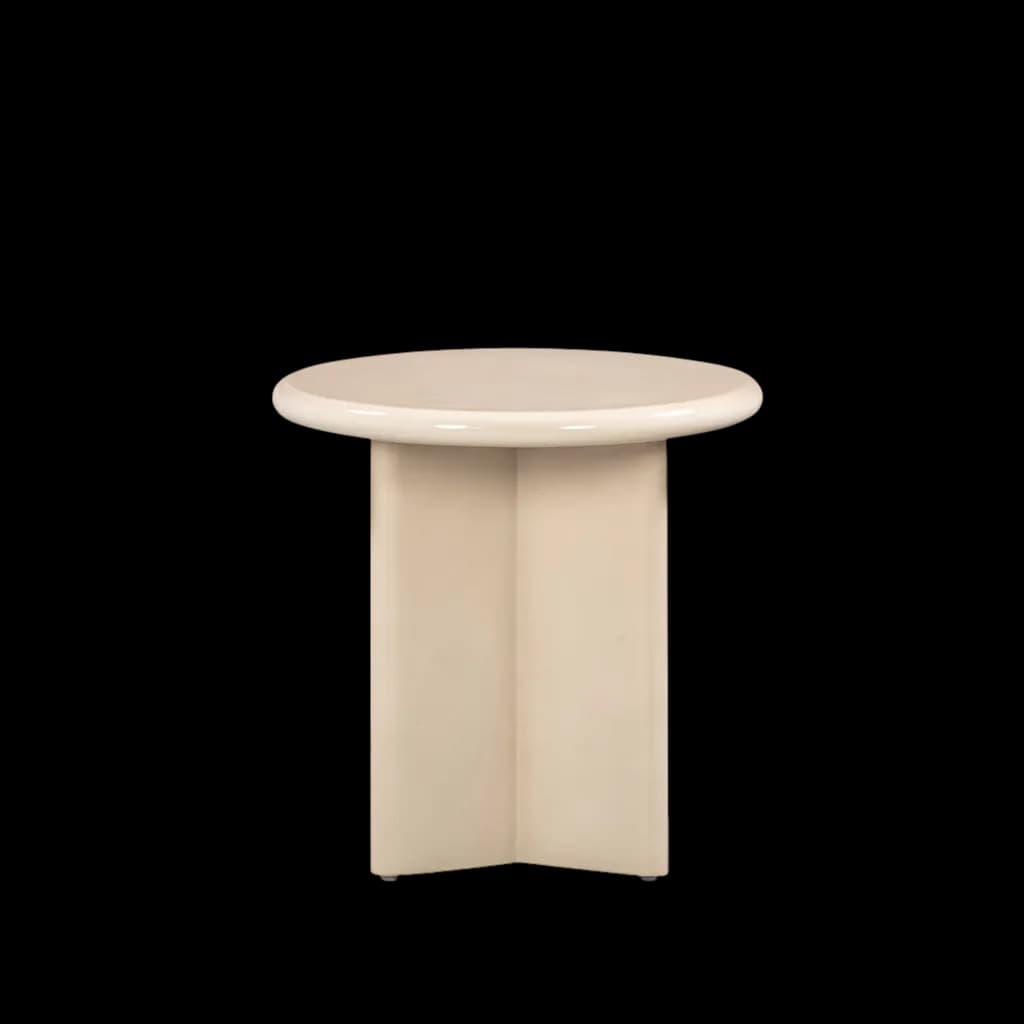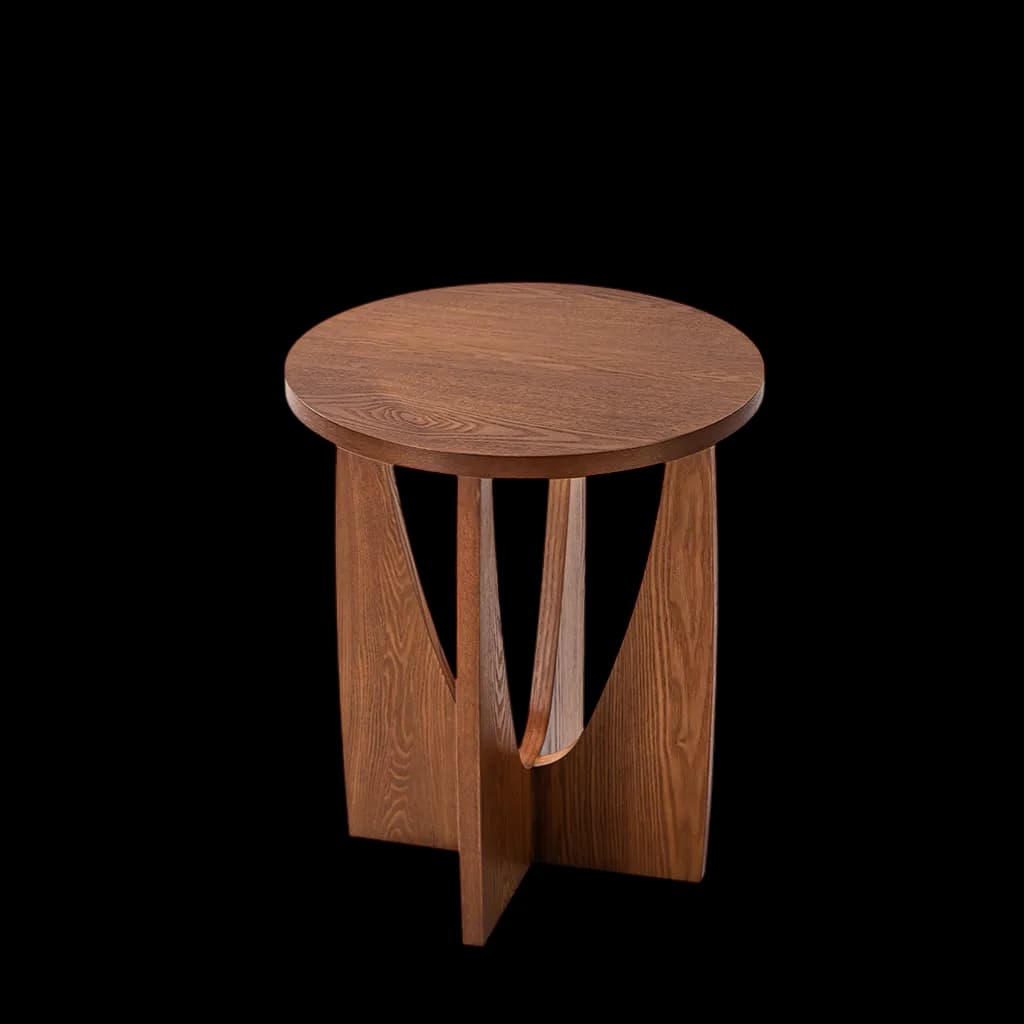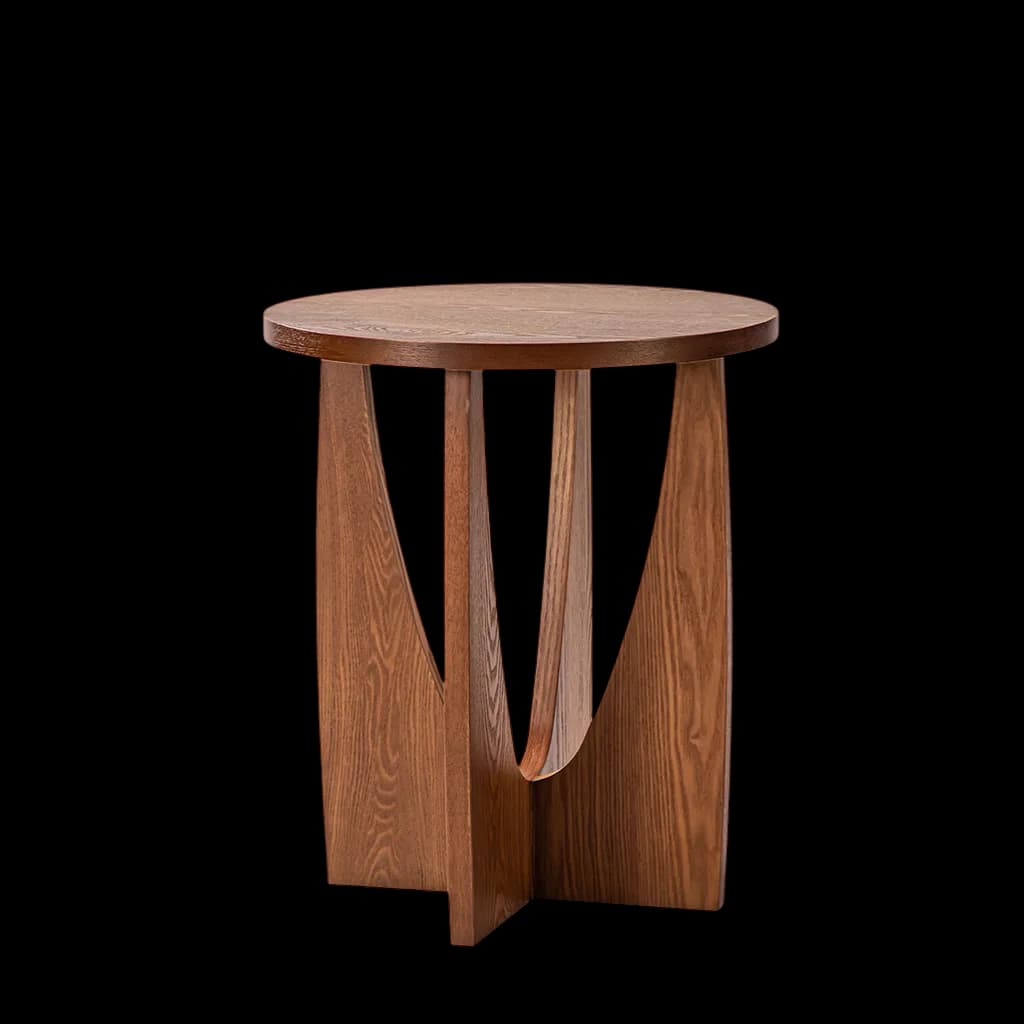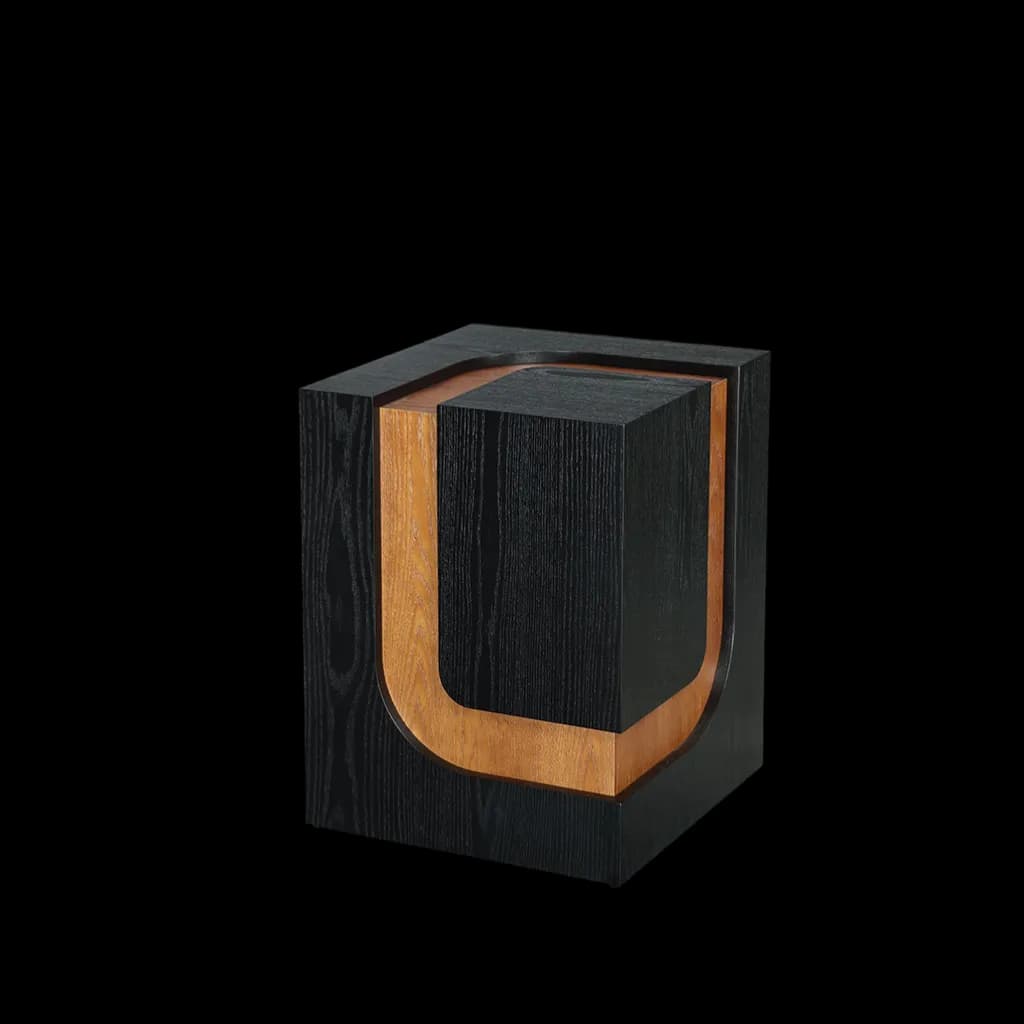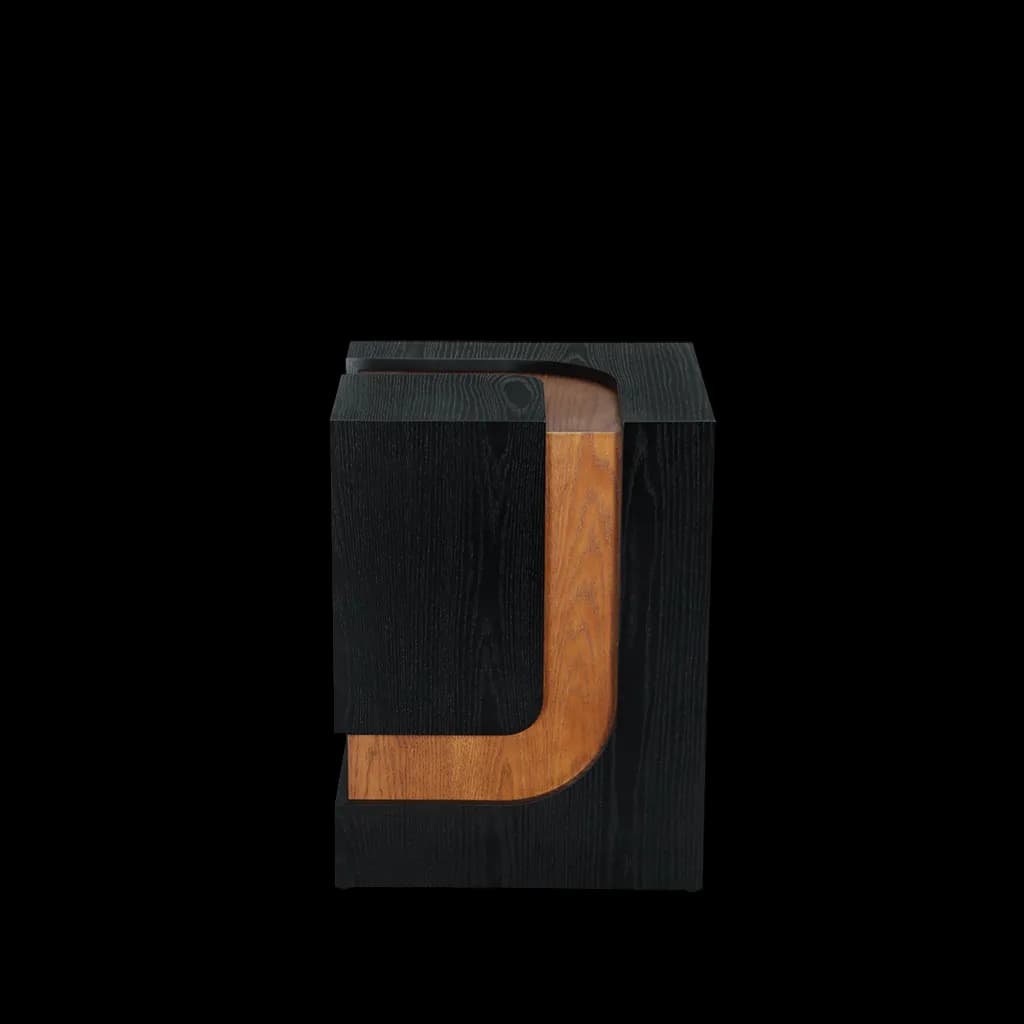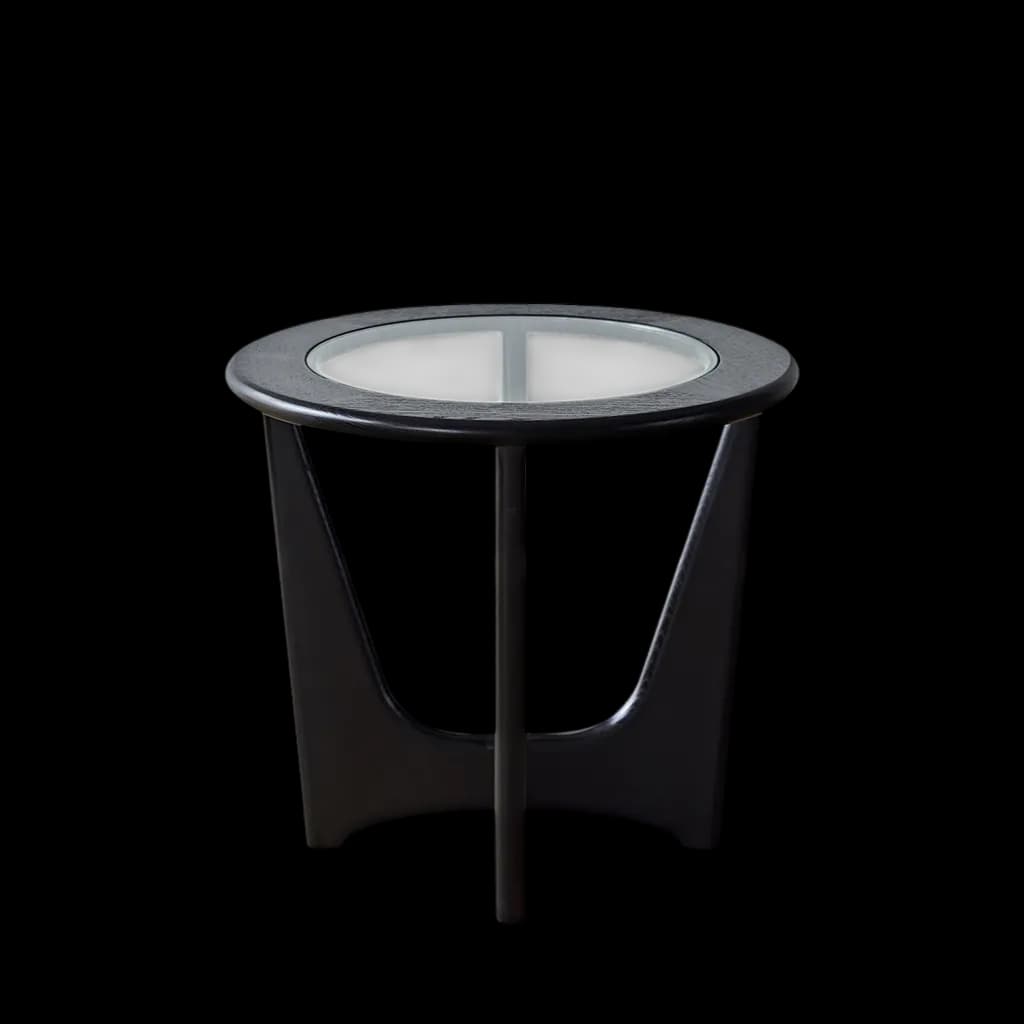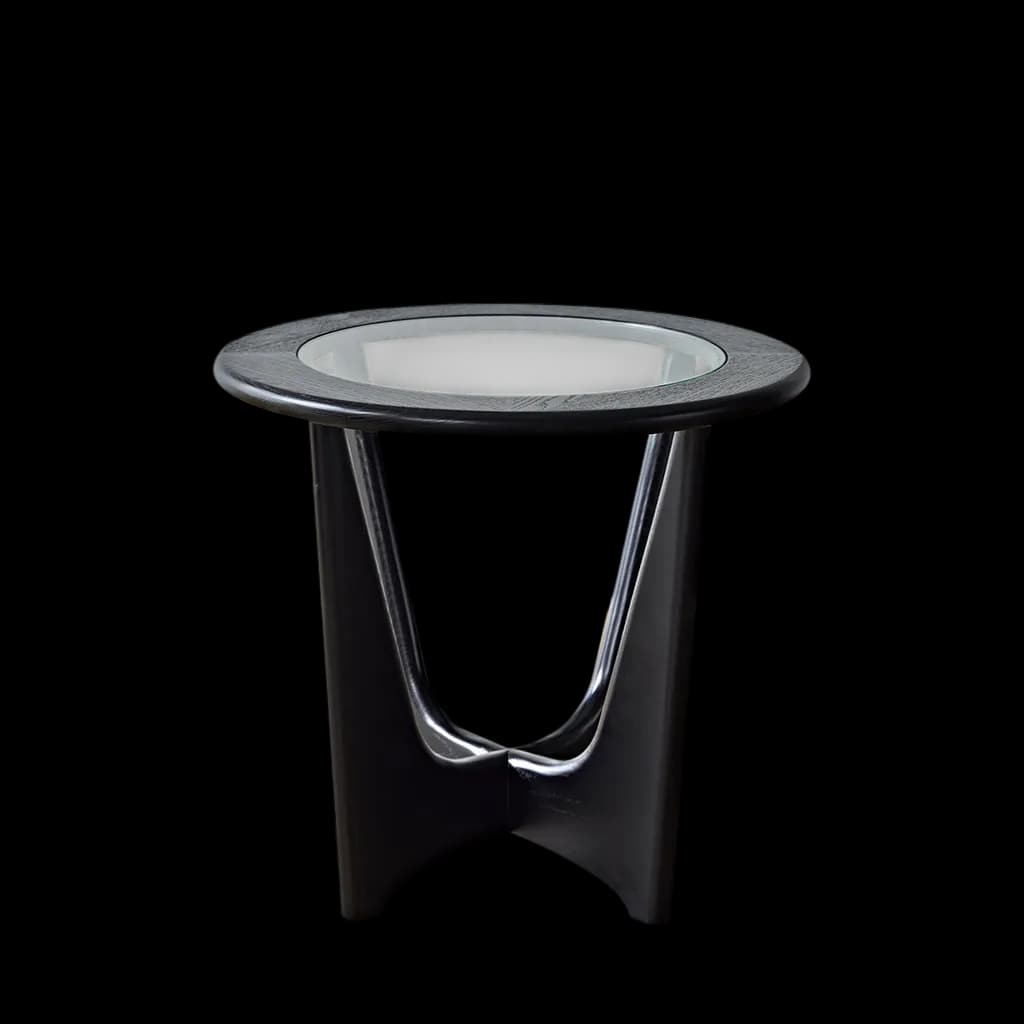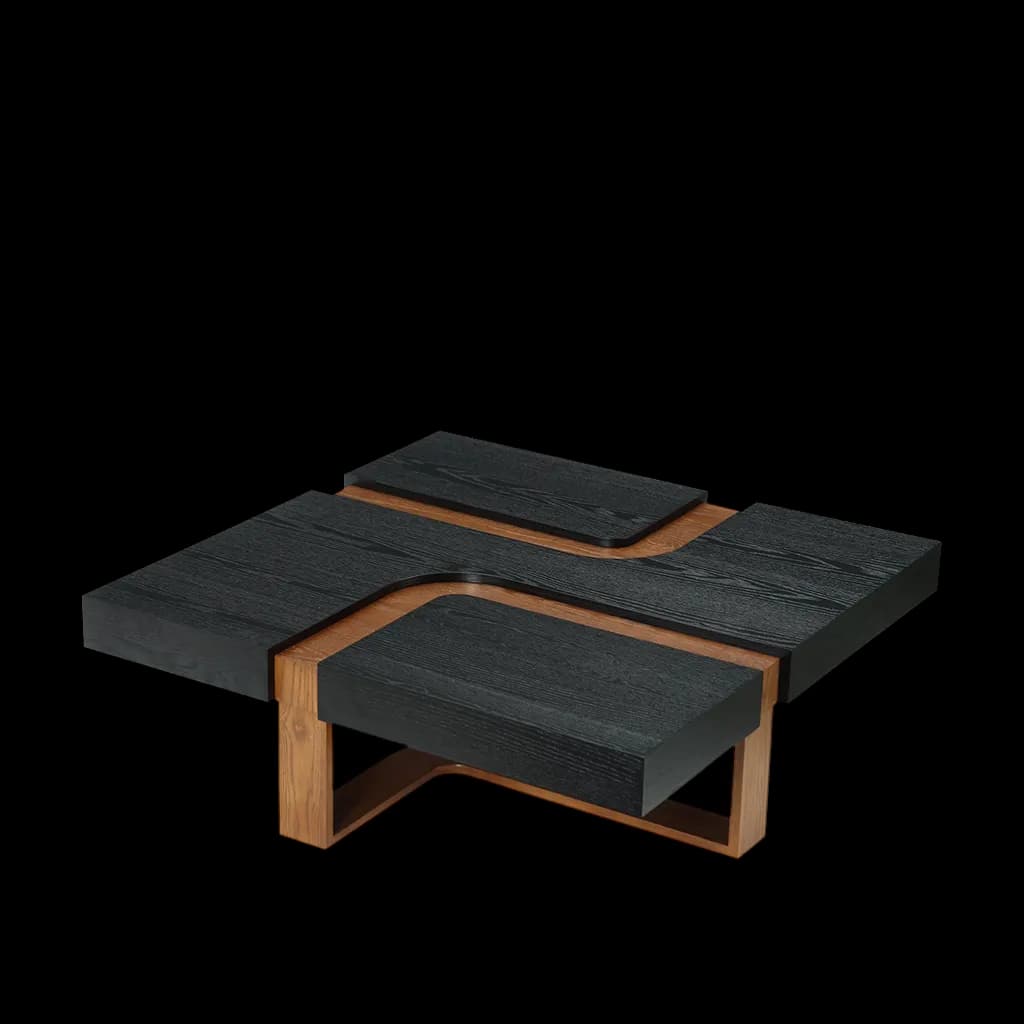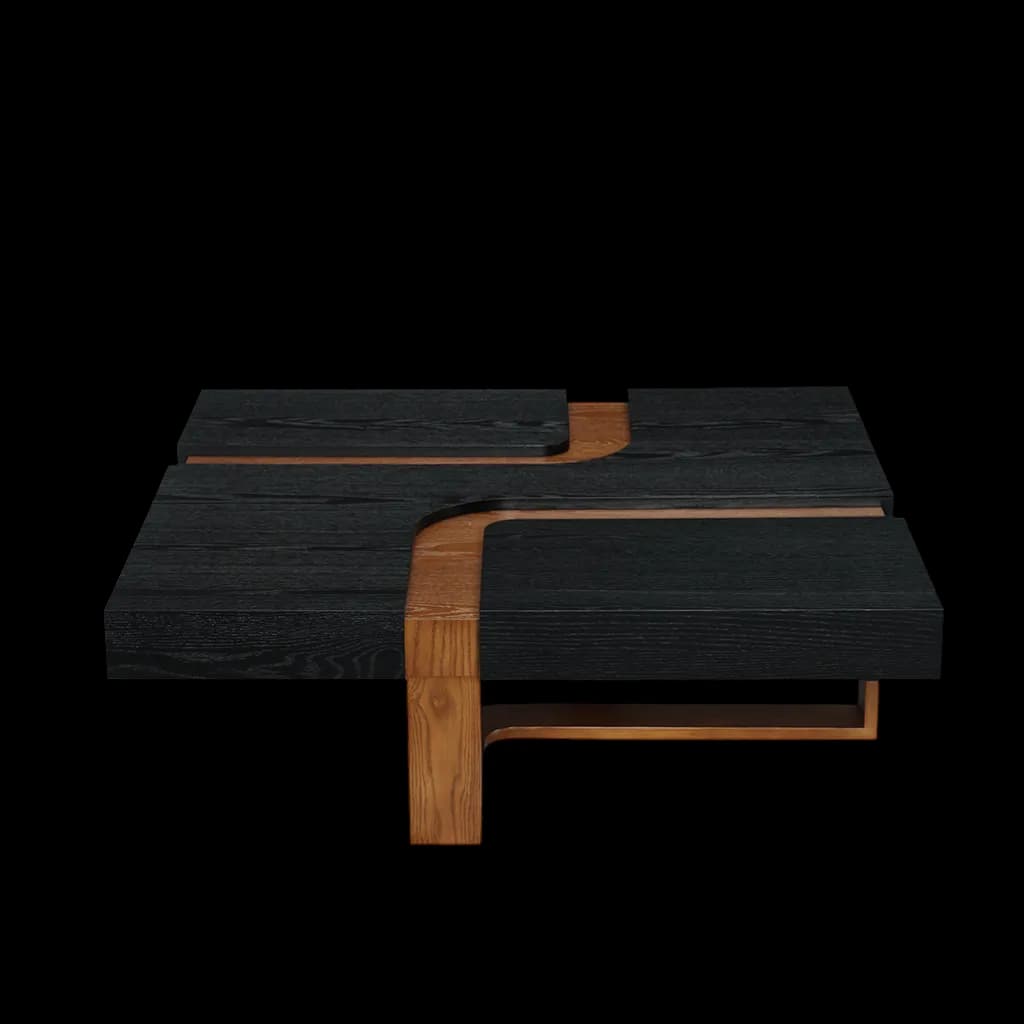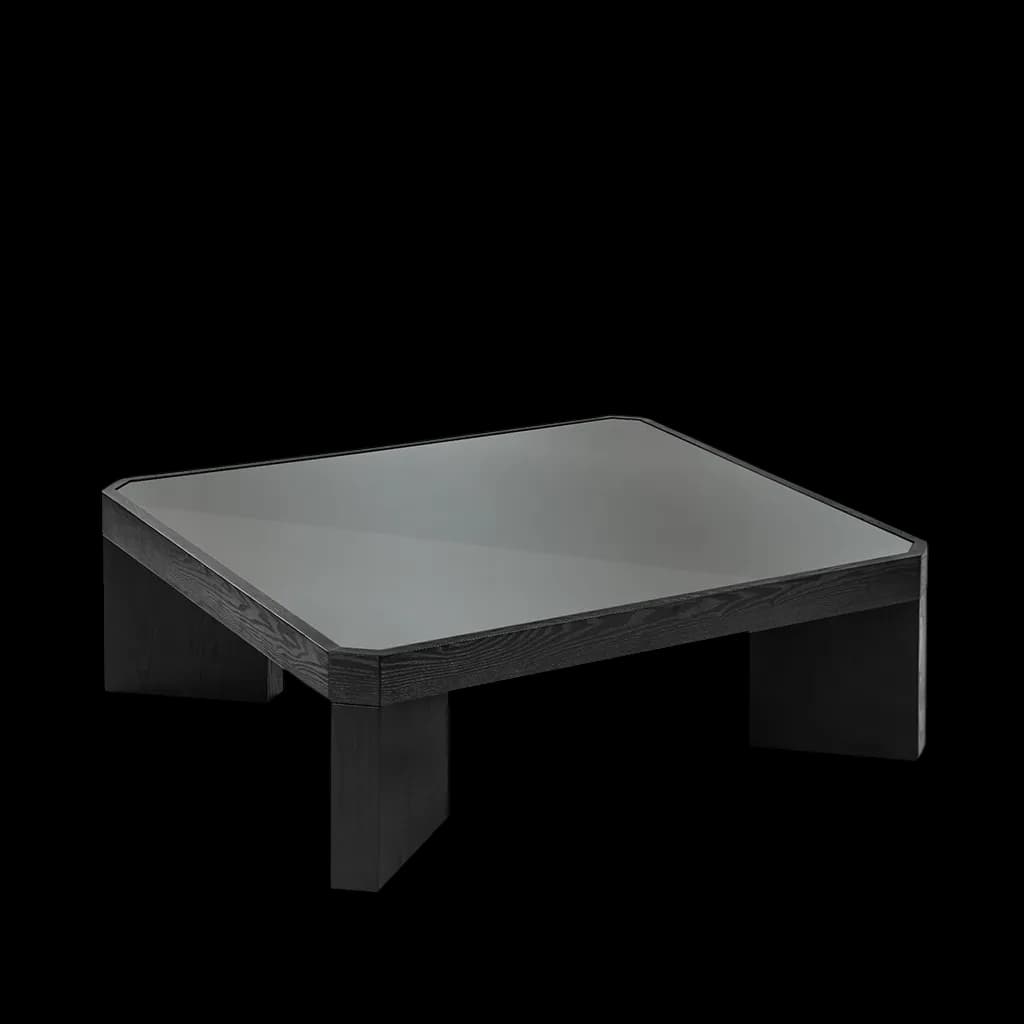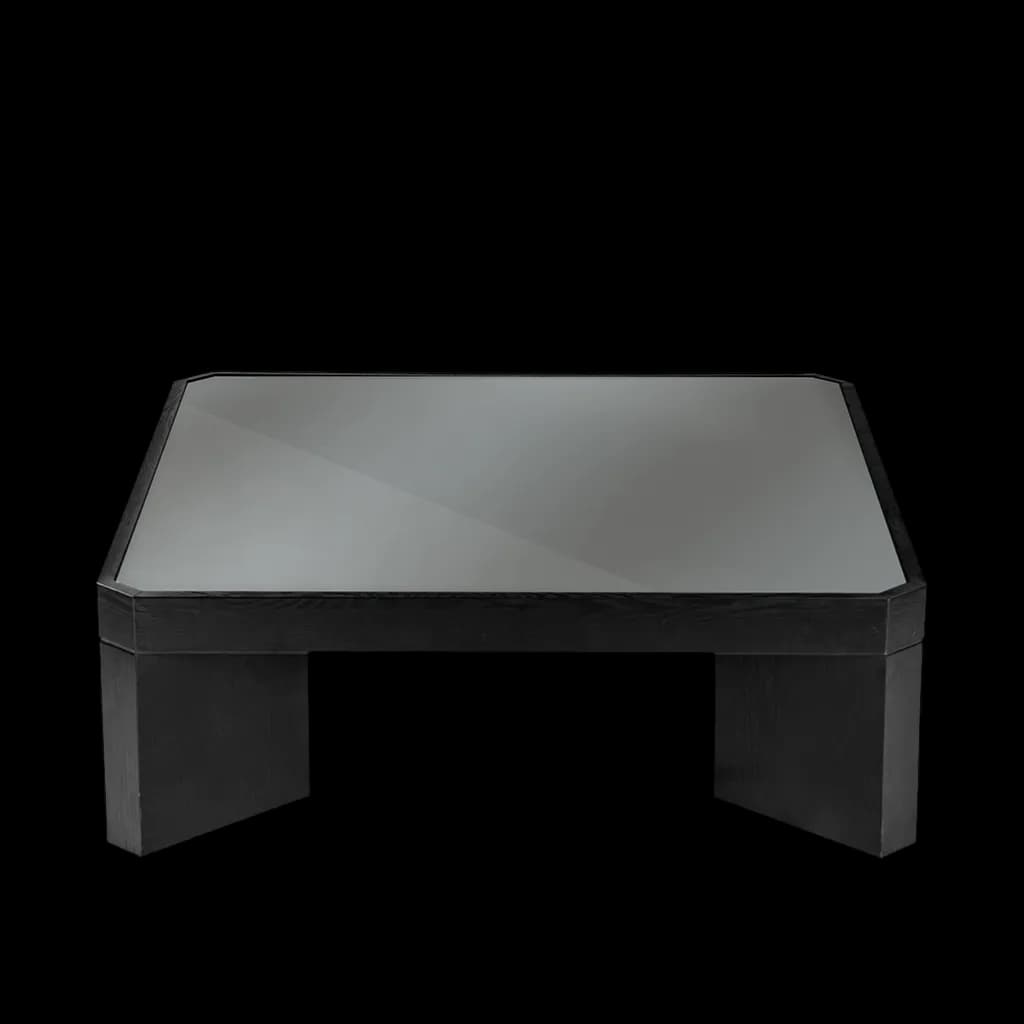
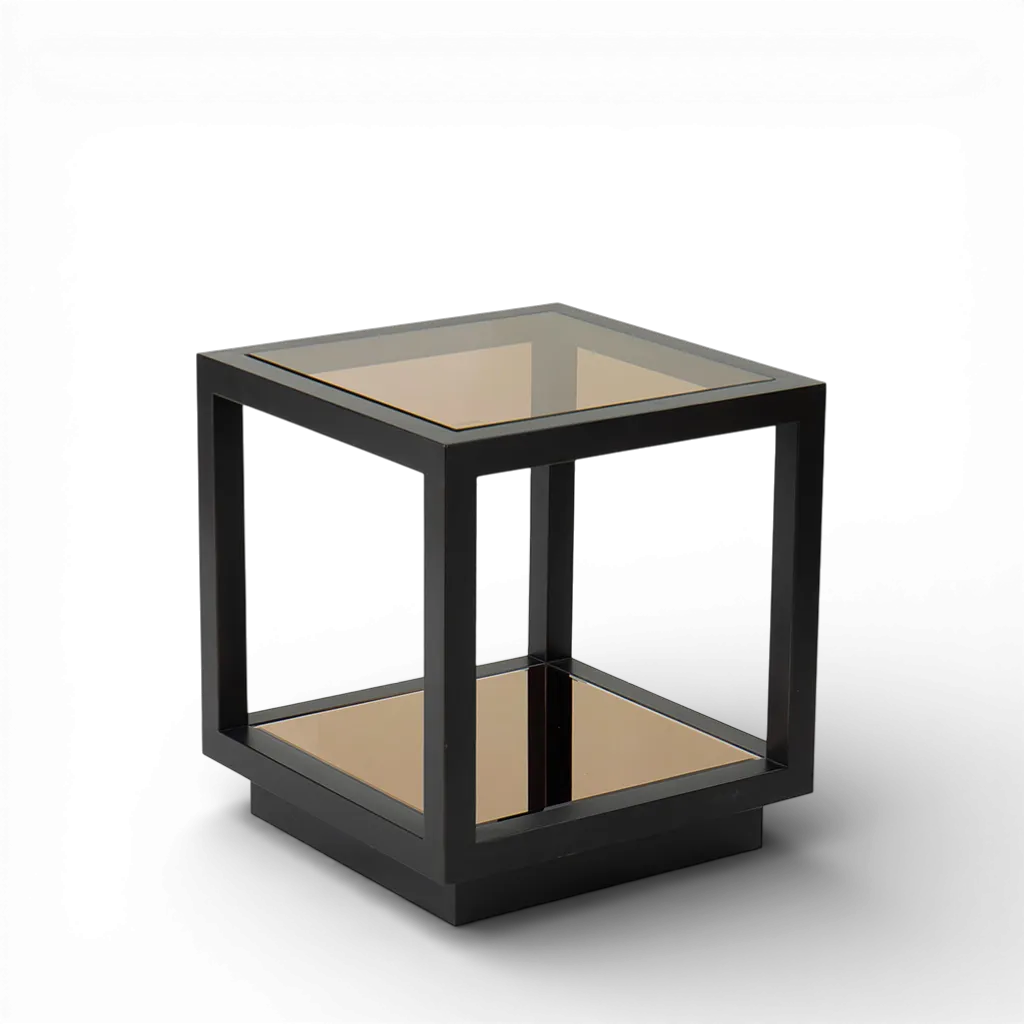
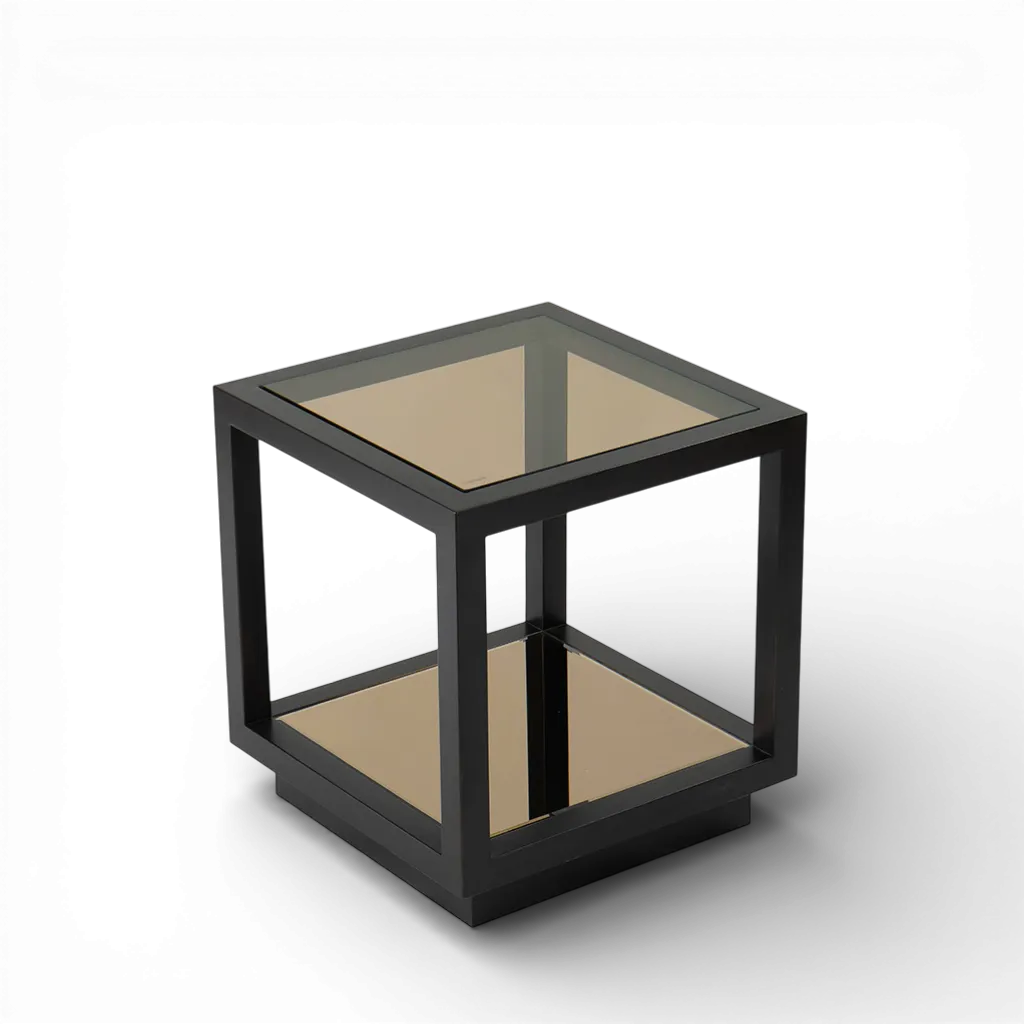
Evora Side Table
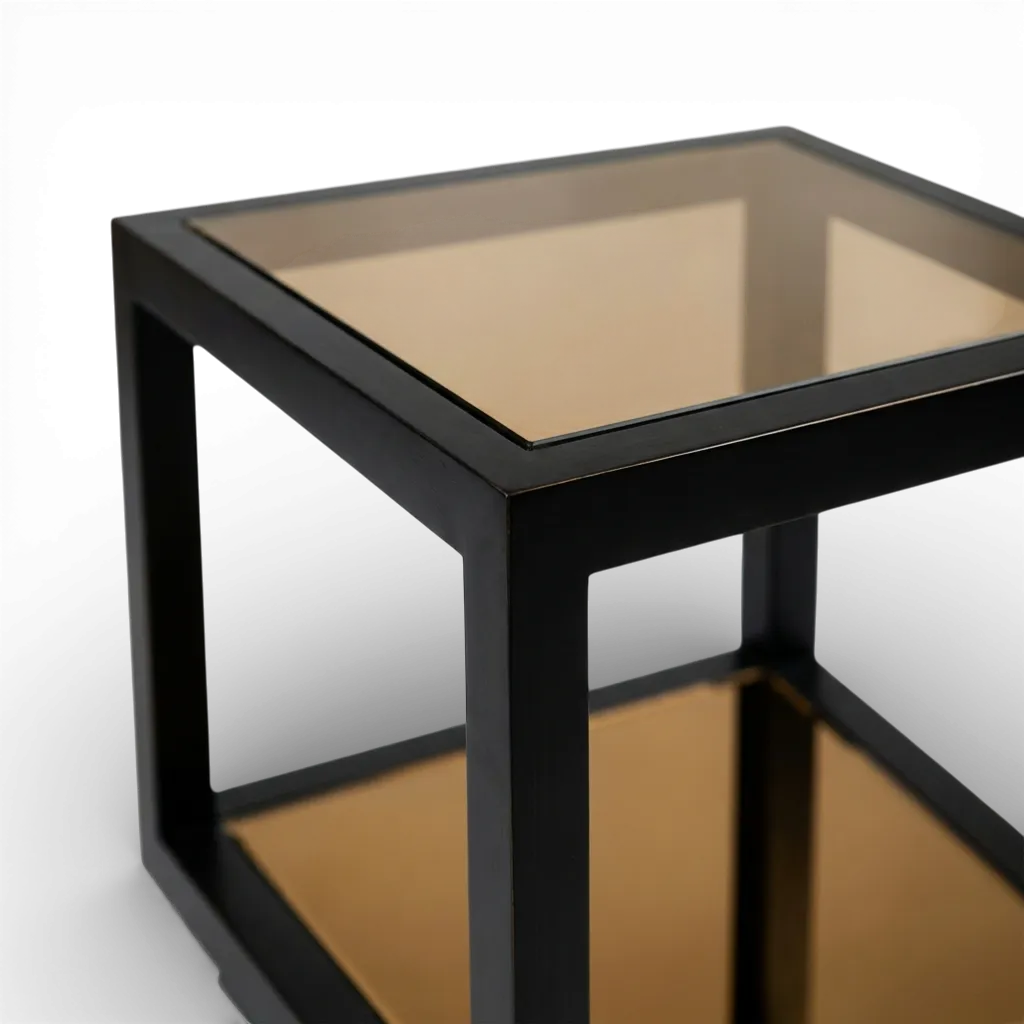
Amber light caged in black geometry
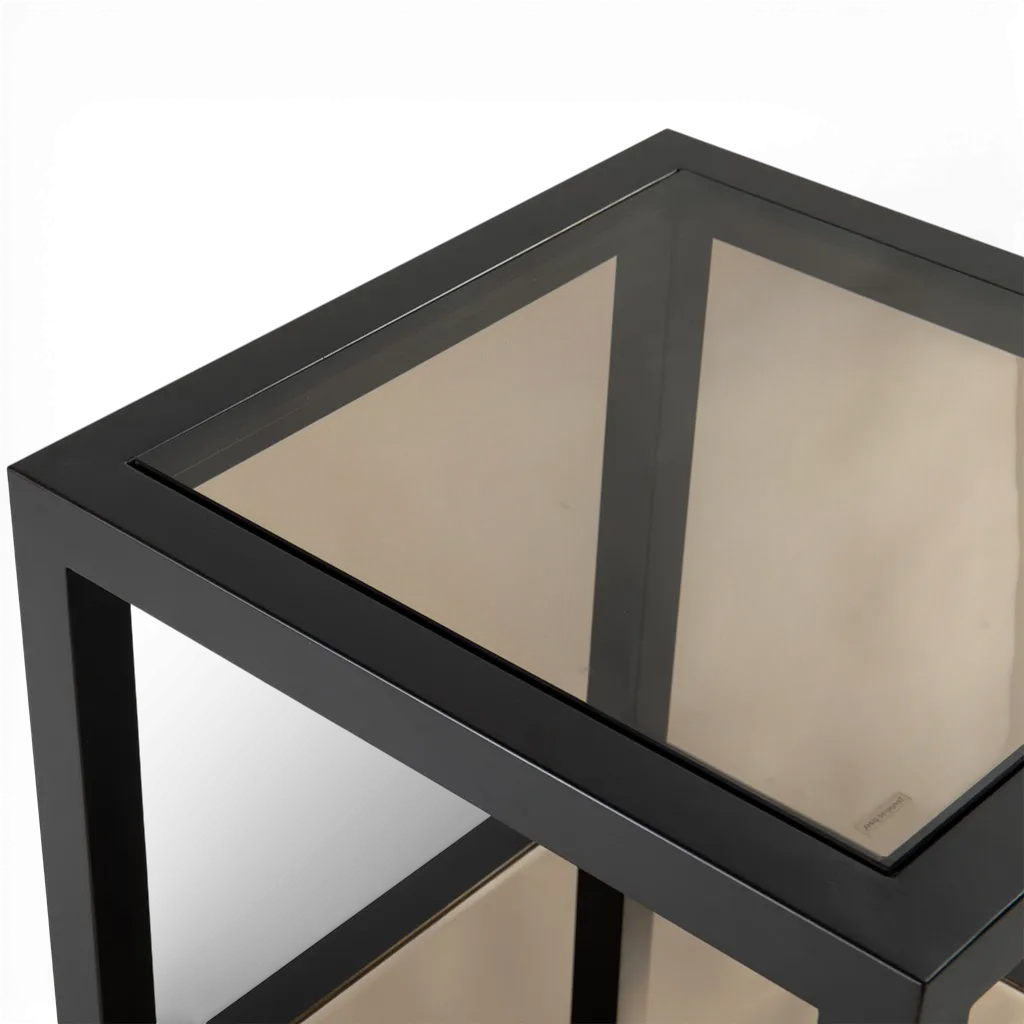
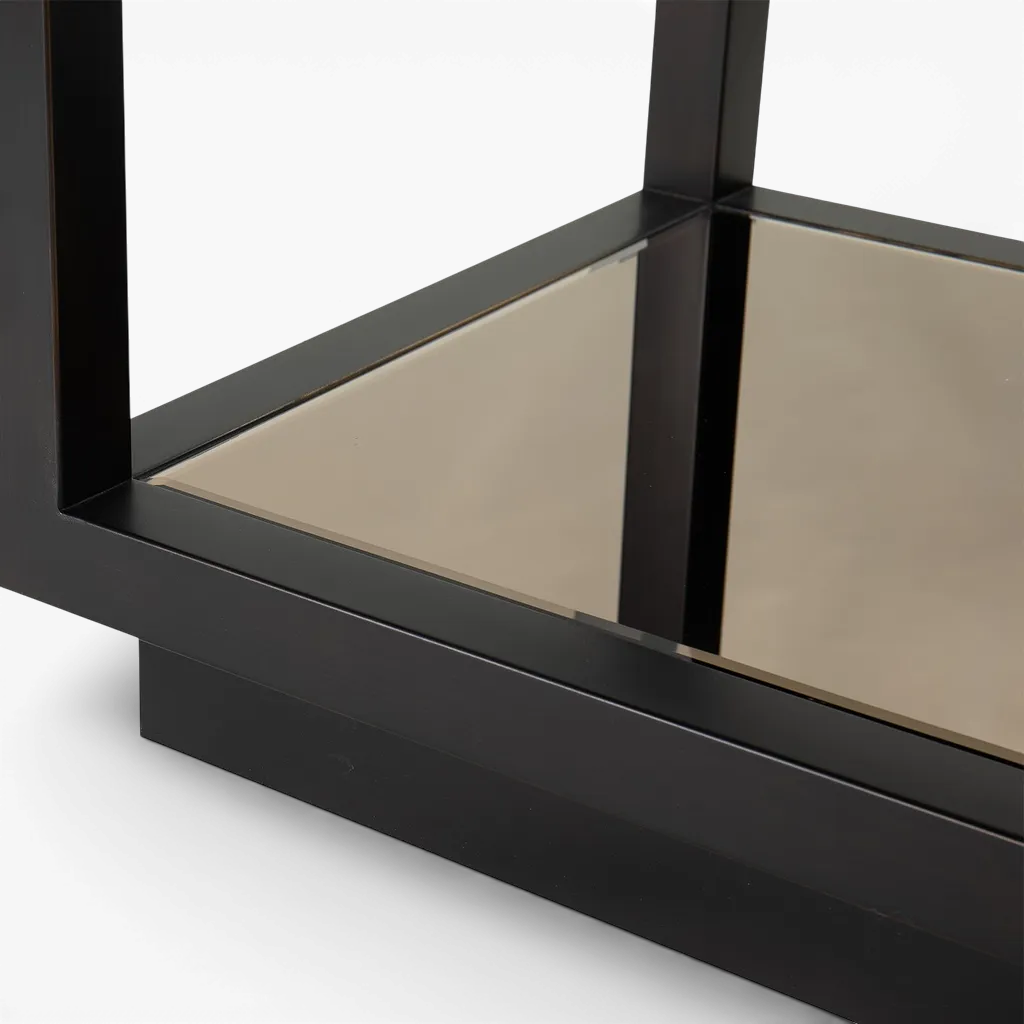
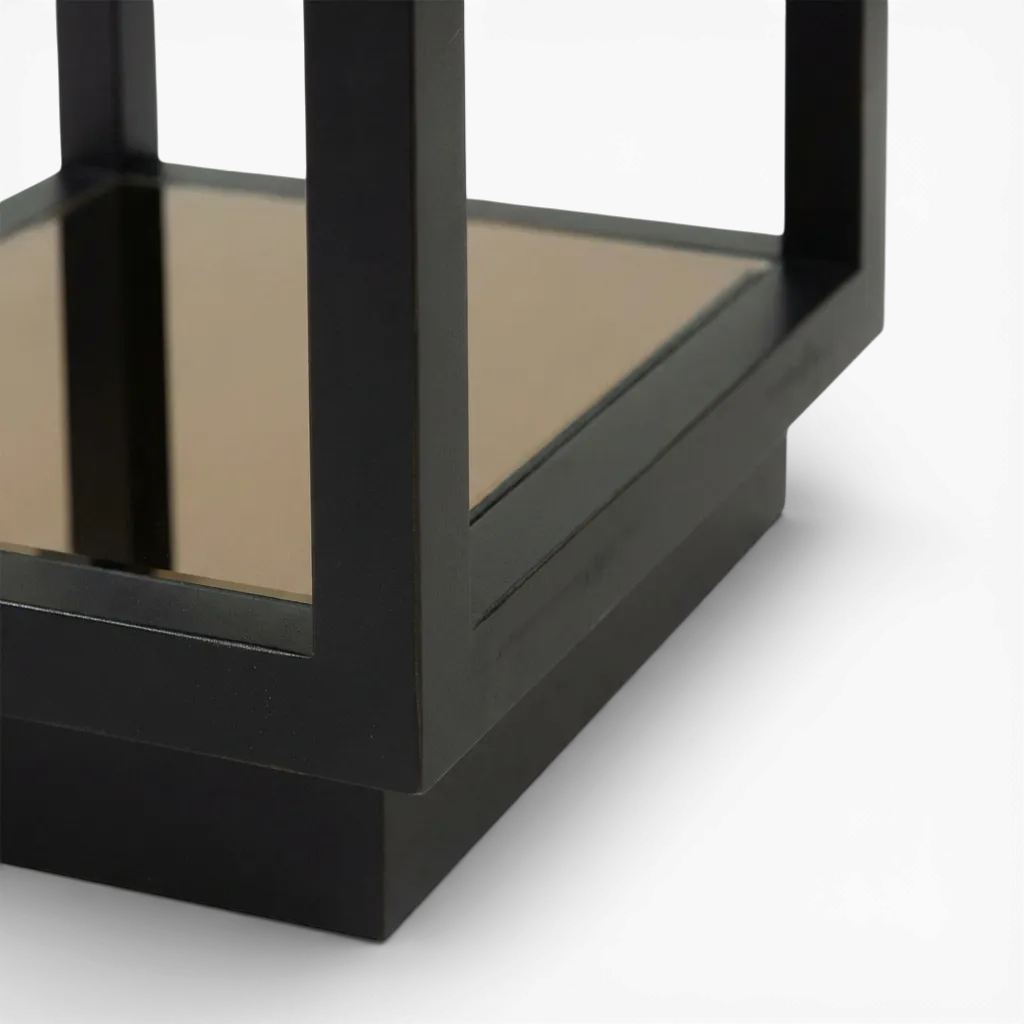
Clean-lined cubic metal frame housing two tiers of tinted bronze glass, set on a low plinth base. Steel and tempered glass construction offering practical display and storage, equally refined beside a sofa in a private residence or a hospitality reception area.
Antique bronze metal with tinted glass for industrial refinement.
Antique Bronze
£849
Colour
Evora Side Table£849
Depth500mm
Width500mm
Height550mm
Weight20.0 kg
AssemblyMinimal Assembly Required
Package Width595mm
Package Height665mm
Package Length595mm
Package Weight23kg

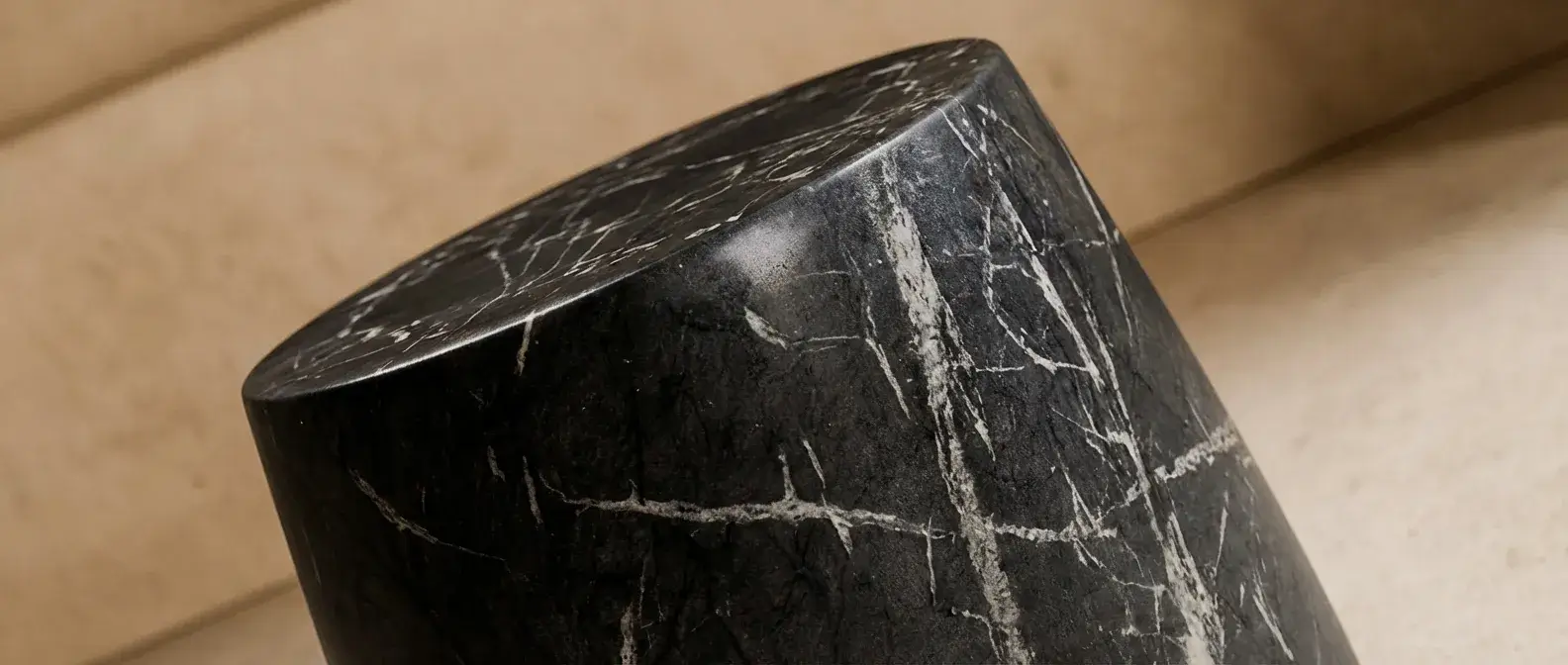

Material Care
Preserve the softness, texture, and colour of your fabrics with regular care.
Upholstery
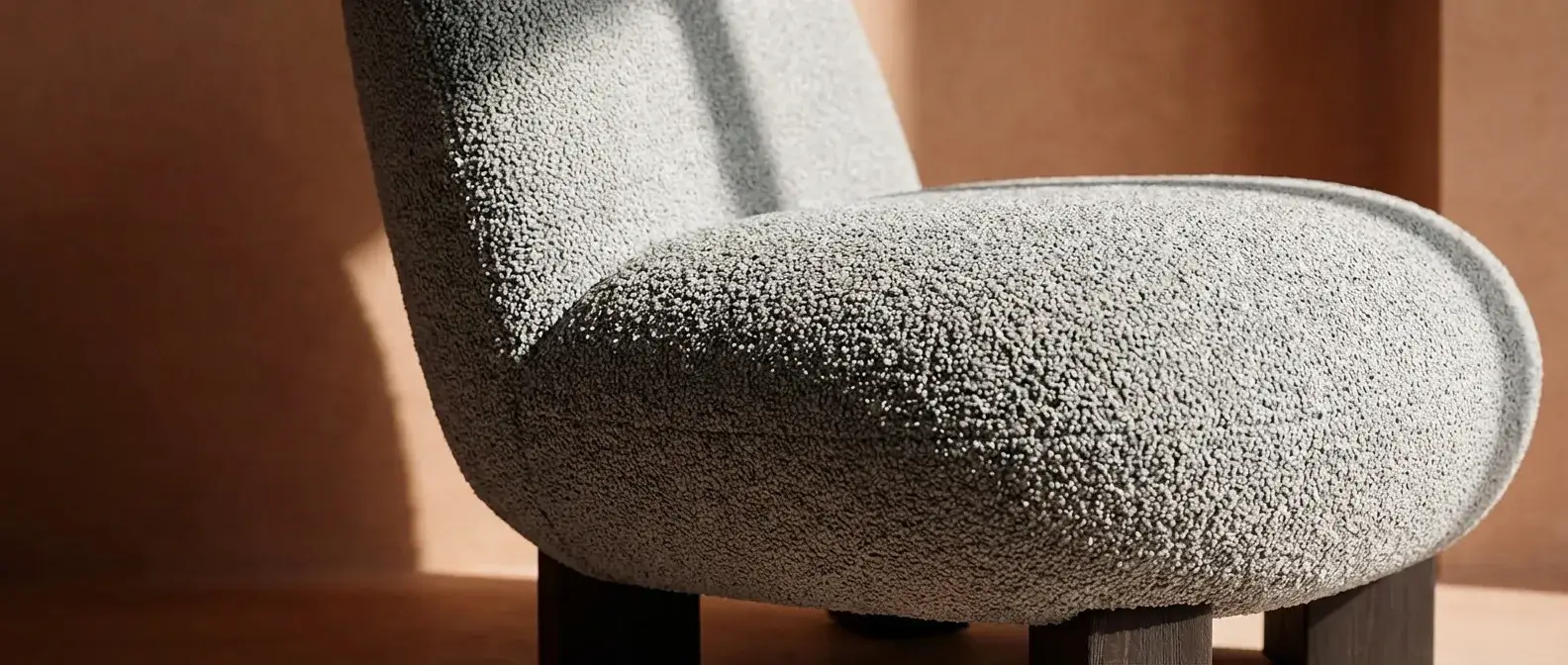
Bouclé
Looped-yarn texture that adds depth and softness. Vacuum weekly with a soft brush to prevent dust build-up within the loops. Blot spills immediately — never rub, as this can distort the weave.
Chenille
Soft, tactile fabric with a subtle sheen. Vacuum gently with an upholstery attachment to preserve the nap. Spot clean with mild soap and warm water — always patch-test first.
Velvet
Plush pile with a lustrous finish. Use a soft-bristled brush or velvet-safe nozzle weekly. For flattened areas, steam gently and brush in the direction of the nap to restore consistency.
Leather
Naturally resilient and develops a rich patina over time. Dust weekly with a microfiber cloth and condition every 6–12 months. Avoid direct sunlight and heat sources to prevent drying and cracking.
Linen
Breathable natural fibre with a relaxed, lived-in texture. Vacuum regularly on low suction. Blot spills promptly and avoid excessive water — linen can shrink or stretch when saturated.
Vacuum upholstered surfaces weekly using a soft brush attachment to lift dust and prevent fibre compaction. For removable cushion covers, rotate and flip cushions monthly to distribute wear evenly. Brush velvet and bouclé in the direction of the pile to maintain consistency.
Avoid placing upholstered furniture in direct sunlight for prolonged periods, as UV exposure can cause fading over time. Keep away from heat sources such as radiators or fireplaces.
Blot liquid spills immediately with a clean, dry cloth — never rub or scrub, as this can push stains deeper into the fibres and damage the texture. For water-based stains, use a lightly damp cloth with a mild soap solution, working from the outside of the stain inward.
Always test any cleaning product on a small, inconspicuous area first. Avoid bleach, ammonia, and harsh chemical cleaners. For stubborn stains, consult a professional upholstery cleaner.
Do: Use coasters and protective throws on high-contact areas. Keep pets with untrimmed claws off upholstered surfaces. Use plain white towels when cleaning to prevent dye transfer.
Don't: Use furniture polish, baby wipes, or all-purpose cleaners on fabric. Place newspapers or dark-dyed textiles directly on light upholstery. Over-saturate fabric with cleaning solution.
Professional steam cleaning every 12 months is recommended for thorough maintenance. Steam cleaning eliminates bacteria, dust mites, and trapped odours while refreshing the fabric's appearance.
For leather upholstery, seek professional leather cleaning or restoration for deep stains, scratches, or structural damage. Annual professional conditioning is recommended for heavily used leather pieces.
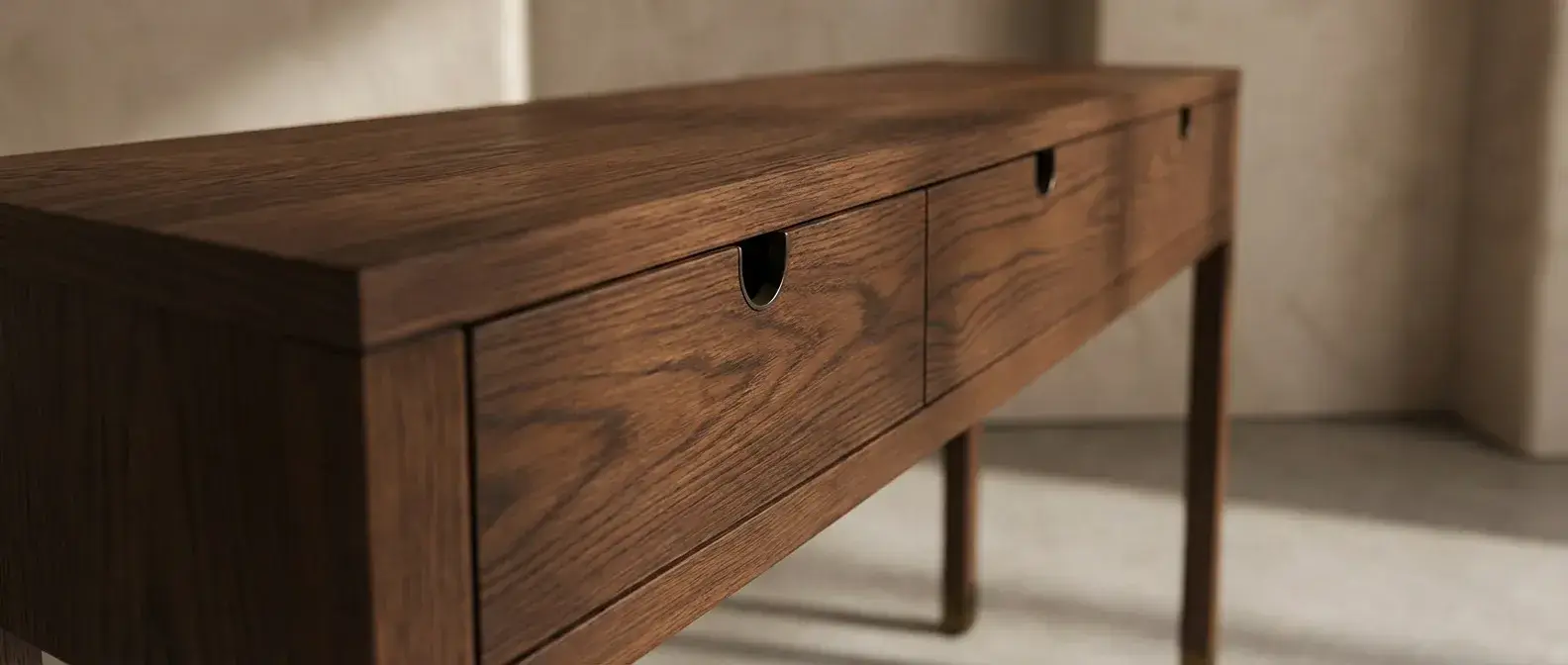
Oak
Durable hardwood available in blonde, matt black, and natural finishes. Wipe with a soft, dry cloth to remove dust. Use coasters and felt pads to prevent surface marks.
Walnut
Rich grain patterns with a smooth, satin finish. Dust with a lint-free cloth and treat occasionally with a wood-safe conditioner. Keep away from heat sources to prevent warping.
Ash Veneer
Elegant veneer with subtle grain and a modern wash. Dust regularly and clean with a slightly damp cloth. Avoid excess water — veneer can swell if saturated.
Teak
Dense tropical hardwood with naturally high oil content, resistant to moisture and pests. Clean with mild soapy water and a soft brush. Develops a silvery-grey patina if left untreated.
Dust wooden surfaces weekly with a soft, dry microfiber cloth. For occasional deeper cleaning, use a lightly damp cloth and dry immediately — never leave moisture on wood. Always wipe in the direction of the grain to prevent scratching.
Treat natural and oiled wood finishes with a suitable wood conditioner every 6–12 months to maintain lustre and prevent drying. Rotate accessories on surfaces to prevent uneven ageing.
Wipe up spills immediately with a clean, dry cloth. Wood is susceptible to water rings, heat marks, and staining from prolonged contact with liquids. For sticky residues, use a lightly damp cloth with mild soap, then dry thoroughly.
Avoid harsh chemicals, ammonia-based cleaners, and abrasive pads. For persistent marks on oiled or waxed wood, lightly sand with ultra-fine sandpaper in the direction of the grain and re-oil.
Do: Use coasters, placemats, and trivets to protect from heat and moisture. Use felt pads under decorative objects. Maintain consistent humidity levels to minimise wood movement.
Don't: Place hot items directly on the surface. Drag objects across the wood. Use silicone-based polishes that can build up over time. Position near radiators, fireplaces, or in direct sunlight.
Wood is a living material that responds to its environment. Maintain stable indoor humidity (40–60%) to prevent cracking, warping, or joint loosening. Avoid positioning furniture near underfloor heating vents.
Protect from prolonged direct sunlight, which can cause fading and discolouration. For veneered surfaces, take extra care to avoid peeling — never use excess water or place heavy, wet items on the surface.
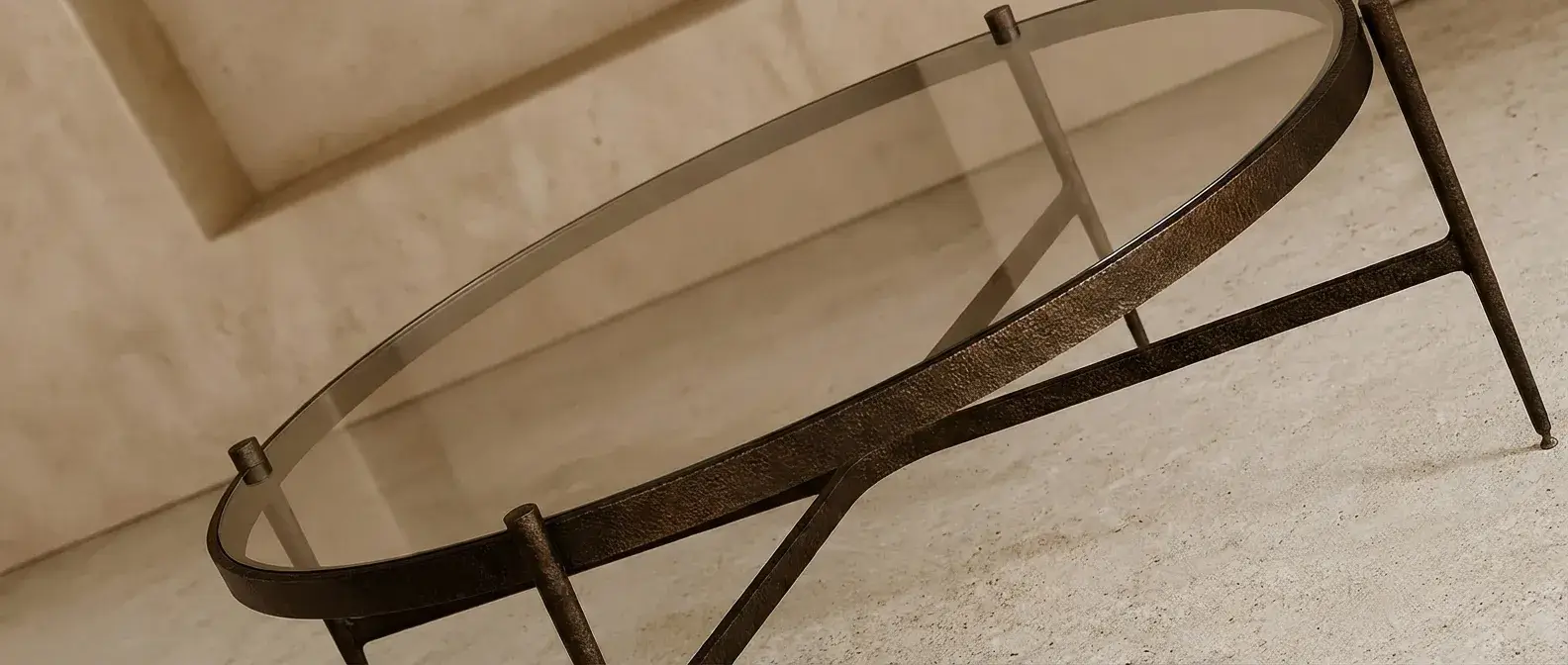
Brushed Brass / Bronze
Warm, muted sheen with directional grain. Wipe in the direction of the grain with a dry cloth. Avoid commercial polish unless marked safe for lacquered finishes.
Stainless Steel / Chrome
Highly reflective with a smooth, modern finish. Polish with a microfiber cloth — avoid paper towels which cause micro-abrasions. Dry promptly to prevent water spots.
Powder-Coated Metal
Durable protective coating in various colours. Clean with mild detergent and warm water. Check regularly for chips and touch up to prevent rusting.
Wrought Iron
Hand-forged and prized for durability. Keep dry at all times — moisture is its greatest enemy. Inspect regularly for paint chips and touch up promptly to prevent rust.
Wipe metal surfaces regularly with a clean, dry microfiber cloth to remove dust and maintain sheen. For light marks or fingerprints, use a damp cloth followed by a dry one. Always use pH-neutral, non-abrasive cleaners.
For brushed finishes, always wipe in the direction of the grain. For polished finishes, use circular motions with a lint-free cloth to bring out the shine.
Clean spills immediately — even water can leave marks on certain metal finishes. For stubborn marks, use a diluted mild soap solution and dry thoroughly. Never allow cleaning solutions to sit on the surface.
For tarnished brass or copper, a paste of equal parts vinegar, salt, and flour can help restore lustre. Always rinse and dry completely after treatment.
Do: Use coasters, placemats, and felt pads under decor. Test any cleaner on a hidden area first. Apply automotive wax or beeswax periodically to add a protective barrier.
Don't: Use scouring pads, steel wool, or abrasive polishes. Leave moisture or spills to sit. Use bleach, ammonia, or harsh chemicals. Attempt to polish intentionally patinated or antique finishes.
Keep metal furnishings in well-ventilated, dry environments. Excessive moisture can lead to corrosion or tarnishing. Apply a thin layer of furniture wax twice a year to create a protective barrier.
Inspect regularly for chips or scratches in paint or coating — exposed metal is vulnerable to rust. Touch up any damage promptly with a rust-inhibiting primer and matching paint. For valuable or antique pieces, consult a specialist metalworker.
Clear Glass
Shows smudges more easily — polish regularly with a dry microfiber cloth. Use coasters and placemats to avoid water rings and scratching.
Smoked / Tinted Glass
More forgiving with marks but still prone to scratching. Use only non-abrasive cloths and avoid coloured cleaning products that may stain edges.
Fluted / Ribbed Glass
Textured surface that can trap dust between ridges. Clean along the grooves with a soft brush or damp cloth. Avoid excess water near joinery.
Use a soft, lint-free cloth or microfiber duster to remove surface dust without scratching. For fingerprints and smudges, use a clean, slightly damp microfiber cloth followed by a dry cloth to polish.
Apply a streak-free, ammonia-free glass cleaner to a cloth — not directly to the surface — then wipe gently. Avoid spraying cleaner near wooden, metal, or stone components.
Clean spills immediately to avoid damage to supporting materials such as wood or brass trim. Never use scouring pads, powder cleaners, or rough cloths, as they scratch and dull the finish.
For hard water marks, use a mild solution of white vinegar and warm water applied with a cloth, followed by a clean water wipe. Avoid this method near stone or metal finishes.
Even toughened glass can crack or shatter if struck with force. Avoid placing heavy or sharp items directly on the surface. Place soft felt or rubber pads under decorative objects to prevent micro-scratches.
Always lift objects rather than dragging them. Use trivets or coasters under hot and cold items. Consider placement away from high-traffic zones if used on low-level tables.
Schedule a thorough clean with a professional-grade glass cleaner, checking edges, frames, and structural components. Periodically inspect metal or wooden frames supporting the glass, tightening screws and checking joints.
Some tinted or treated glass may fade under prolonged direct sunlight — consider blinds or UV-filtering window film where needed.
White Marble
Naturally porous and prone to etching. Wipe with a pH-neutral stone cleaner and clean acidic spills immediately — wine, citrus, and coffee can etch the surface permanently.
Black Marble
Bold and dramatic with striking veining. Scratches are more visible on dark stone. Use felt pads under all accessories and wipe in the direction of veining.
Travertine
Earthy, porous stone with characteristic pits. Seal regularly to prevent staining. Wipe liquids immediately — travertine is highly absorbent and darkens quickly.
Sintered Stone
Ultra-compact engineered surface — non-porous, highly heat- and scratch-resistant. Requires no sealing. Clean with mild soap and water — the most low-maintenance stone option.
Dust daily with a dry microfiber cloth to prevent surface grit acting as sandpaper. Clean with a soft, damp cloth and a pH-neutral stone cleaner — never use generic kitchen sprays or all-purpose cleaners.
Dry the surface after cleaning to prevent water spots. For polished marble, always wipe gently to maintain the natural sheen without streaking.
Natural marble is porous and must be sealed with a penetrating stone sealant. Reapply every 6–12 months, or when water no longer beads on the surface. Sintered stone does not require sealing.
Always use coasters, placemats, and trivets. Never place hot items directly on marble without protection. Use felt pads beneath decorative pieces to prevent scratches.
Do: Use pH-neutral cleaners formulated for natural stone. Blot spills immediately with a soft cloth. Have the surface professionally sealed on a regular schedule.
Don't: Use acidic cleaners (vinegar, lemon, citrus-based products). Use abrasive pads, scouring powders, or steel wool. Let liquids sit on the surface — even water can leave marks. Drag items across the stone.
For etching or dull spots, light honing by a stone care professional can restore the finish. Deep stains may require professional poulticing. Annual professional polishing is recommended for high-use surfaces.
Chips to edges of sintered stone can often be repaired — keep any broken pieces and contact an approved specialist. For natural marble scratches, consult a stone care professional rather than attempting DIY repair.
Porcelain
Dense, glass-like surface fired at high temperatures. Non-porous and naturally stain-resistant. Clean with a mild pH-neutral cleaner — simple maintenance is usually sufficient.
Stoneware
Heavy and rustic with an earthy, tactile quality. Hand wash with mild soap and warm water. Allow hot stoneware to cool naturally before washing — never use cold water.
Terracotta
Porous, unglazed clay with a warm, organic texture. Avoid wet cleaning unless necessary — terracotta absorbs moisture readily. Seal with a penetrating impregnator for surfaces in contact with liquids.
Handle all ceramic items with care, especially those with sculptural or irregular silhouettes. Place on stable surfaces away from shelf edges to minimise the risk of accidental knocks.
Dust with a soft, dry microfiber cloth or feather duster. For deeper cleaning, wipe with a slightly damp cloth using lukewarm water. For matte or unglazed finishes, avoid excess moisture — clean with a dry or barely damp cloth.
For light stains on glazed surfaces, use a gentle soap and water solution with a soft cloth. A paste of baking soda and water can lift stubborn marks without scratching. For organic stains, hydrogen peroxide diluted with water is effective.
For unglazed or terracotta pieces, address spills immediately — the porous surface absorbs liquids quickly and can discolour permanently. Avoid abrasive pads, scouring powders, or acid-based cleaners.
Do not leave water in ceramic vases for extended periods. Due to the natural porosity of ceramic, especially in handmade pieces, water can seep through, causing condensation, surface damage, or leakage.
For fresh flower arrangements, use a waterproof liner or insert a smaller glass vessel inside the vase. Empty and dry the vase completely after each use.
Keep ceramic items away from direct sunlight, damp areas, and heat sources, as temperature fluctuations may cause expansion, contraction, or fine cracking. Avoid outdoor use unless specifically stated as outdoor-safe.
Store with soft cloth or felt between stacked pieces to prevent chipping. When moving ceramic pieces, always lift from the base — never from handles or rims.
You May Also Like